Quick answer: Living in Cozumel is a good fit if you want a safe, friendly small island with world-class diving and a slower pace. In 2026, a single person can live comfortably on about US$1,800 to $2,800 a month and a couple on about US$2,500 to $4,000, with rent as the biggest cost. To stay longer than a tourist visit, most foreigners get temporary residency through a Mexican consulate before they move. Expect island prices for imported goods, hot and humid summers, hurricane season from June to November, and fewer big-city services than Cancún or Playa del Carmen.
Lots of visitors fall for Cozumel and start wondering what it would be like to stay. We split our time between home and the island, so here is an honest look at the costs, paperwork and day-to-day life before you make the move.
Living in Cozumel at a Glance
| Topic | What to expect (2026) |
|---|---|
| Population | About 90,000 to 100,000 people, almost all in San Miguel, the island's only town |
| Monthly budget | About US$1,800 to $2,800 for one person, US$2,500 to $4,000 for a couple |
| Long-term rent | About US$700 to $2,500 a month, depending on size, location and pool |
| Visas | Tourist entry for short stays; temporary residency (1 to 4 years) for living here |
| Healthcare | A public hospital, private hospitals and clinics; specialists in Playa del Carmen, Cancún or Mérida |
| Language | Spanish; English is common in tourism, less so in government offices |
| Getting around | Car, scooter, bike or taxi; no public bus network to speak of |
| Weather | Warm all year; hot and humid May to October; hurricane season June to November |
How Much Does It Cost to Live in Cozumel?
Cozumel costs more than inland Mexico because most goods arrive by ferry or cargo boat, but it's usually cheaper than living in the United States or Canada. Here's a typical monthly budget for a couple living in town, in U.S. dollars.
| Expense | Typical monthly cost (2026) |
|---|---|
| Rent, 2-bedroom house or apartment in town | US$900 to $1,600 |
| Electricity (CFE), higher with air conditioning | US$50 to $300+ |
| Water and bottled drinking water | US$20 to $40 |
| Internet (fiber where available) | US$25 to $50 |
| Mobile phone plans, two people | US$20 to $40 |
| Groceries | US$400 to $700 |
| Eating out a few times a week | US$200 to $500 |
| Car insurance, gas and upkeep | US$100 to $250 |
| Health insurance | US$100 to $600+, depending on age and plan |
| Housekeeping, gardener or pool service | US$100 to $300 |
Electricity is the surprise for most newcomers. The government utility, CFE, bills every two months and raises the rate sharply once you pass a subsidized limit, so running the air conditioning all summer can multiply your bill. Local food, produce, seafood and services are good value; imported brands, electronics and anything special-ordered cost more than at home. Our money and tipping guide covers pesos, ATMs and cards.
What Visa Do You Need to Live in Cozumel?
Immigration rules are set by Mexico's national immigration institute (INM) and can change, so check with a Mexican consulate or a local immigration facilitator before you plan. In general:
- Visitor (tourist) entry is for vacations and short stays. Officers decide how many days you get, up to 180, and it can't be turned into residency from inside Mexico in most cases. It doesn't let you work.
- Temporary residency lets you live in Mexico for one year, then renew for up to four years in total. Most people qualify through economic solvency, showing a steady monthly income or a savings balance over the past several months. The amounts are tied to Mexico's minimum wage, so they rise each year and vary a little by consulate.
- Permanent residency is available after four years of temporary residency, or directly for retirees with higher income or savings, and for people with close family ties in Mexico.
The process usually starts with an appointment at a Mexican consulate in your home country. If you're approved, you get a visa sticker in your passport, enter Mexico, and then have 30 days to finish the process at the INM office in Cozumel and get your resident card. Working for a Mexican employer needs separate permission.
Where Do People Live in Cozumel?
Almost everyone lives in or near San Miguel, the town on the west coast. The rest of the island is mostly protected jungle, beaches and a few roads.
- Downtown (Centro): walk to the waterfront, the plaza, cafés, the market and restaurants. Expect more noise from traffic, cruise visitors and celebrations.
- Residential neighborhoods (colonias): quieter streets just inland from downtown, with local shops, schools and better prices on long-term rentals.
- North hotel zone: condos and homes along the coast north of town, with ocean views and sunset swims, a short drive from downtown.
- South hotel zone: beachfront condos, resorts and villas near the best snorkeling and dive sites, farther from town and closer to the cruise piers.
Most long-term rentals are found by word of mouth, local real estate offices and community groups once you're on the island. Many people rent for six months to a year before buying. Our tips for choosing a rental home help with a first scouting trip.
Can Foreigners Buy Property in Cozumel?
Yes. Because Cozumel sits within Mexico's coastal "restricted zone," foreigners can't hold the title directly. Instead, they buy through a fideicomiso, a bank trust that holds the title for you with full rights to live in, rent out, sell or leave the property to heirs. Some buyers use a Mexican corporation, usually for business or rental properties.
- A licensed notario público (a government-appointed lawyer) handles every legal sale in Mexico.
- Budget roughly 5% to 8% of the price for closing costs, including the acquisition tax, notary fees, the trust setup and appraisals.
- The bank charges an annual trust fee, often about US$500 to $1,000.
- Property tax (predial) is low compared with the U.S. and Canada.
- Most sales are in cash, since mortgages for foreigners are limited and expensive.
Work with an established local agent and your own lawyer, and check that the property has clear title and no ejido (communal land) issues. Our Cozumel real estate directory lists local agents.
What Is Healthcare Like in Cozumel?
Cozumel has a public general hospital, an IMSS (social security) hospital and several private hospitals and clinics with English-speaking doctors, plus pharmacies on almost every corner. Doctor visits, dental work and prescriptions cost far less than in the U.S.
For complex surgery or specialists, residents usually go to Playa del Carmen, Cancún or Mérida, and air ambulance coverage is worth considering. Many expats carry international or Mexican private health insurance; legal residents can also apply for voluntary IMSS coverage, which has waiting periods and doesn't cover pre-existing conditions. Medicare doesn't cover care in Mexico.
Is Cozumel Good for Remote Work?
Yes, for most jobs. Fiber internet is available in much of town, mobile data is good, and power cuts are usually short. Keep a mobile hotspot as a backup, and a small battery backup (UPS) for your router and computer. Cozumel is on Eastern Standard Time all year with no daylight saving time, which lines up well with U.S. East Coast hours. Remember that working remotely for a foreign employer while on a tourist entry isn't the same as having residency.
What Is Daily Life Like in Cozumel?
- Shopping: large supermarkets such as Chedraui and Soriana, the municipal market for produce, meat and fish, small corner stores, and a few specialty shops for imported food. Some things you'll still bring back in your suitcase.
- Getting around: most residents drive a car or scooter, and town is easy to bike. Taxis are plentiful but set their own fares by zone. See our guide to getting around Cozumel.
- Trips off the island: the ferry to Playa del Carmen takes about 45 minutes, and from there you can reach Cancún airport, bigger stores and hospitals. The car ferry runs from a separate dock.
- Community: there's a friendly mix of Mexican families and foreign residents, with volunteer groups, dive clubs, Spanish classes and charity events. Volunteering at the Humane Society of Cozumel is a great way to meet people.
- Festivals: Carnival, the El Cedral fair, Independence Day and Christmas bring the whole town out. Our El Cedral and festivals guide has the calendar.
What Are the Downsides of Living in Cozumel?
- Heat and humidity from May to October, with mosquitoes after rain.
- Hurricanes: the season runs June to November, with the most risk from August to October. Homes need storm shutters, insurance and a plan.
- Island prices and supply: imported goods cost more, and specific parts or products can take weeks to arrive.
- Small-town limits: fewer specialists, shops and cultural events than a city, and errands run on island time.
- Paperwork: immigration, banking, utilities and car registration all take patience, and Spanish helps a lot.
- Salt air: it's hard on cars, appliances and electronics, so budget for more upkeep.
On the plus side, Cozumel is one of the safest places in Mexico, and daily life feels relaxed and neighborly. Our Cozumel safety guide has the details.
How to Try Living in Cozumel Before You Move
- Visit in summer or early fall, not just in the dry winter months, so you know what the heat and rain are like.
- Stay a month or more in a home in town, shop at the supermarket and market, and run a few errands.
- Price your real budget, including electricity with air conditioning and health insurance.
- Talk to residents about neighborhoods, landlords, doctors and the best facilitators for immigration.
- Start your residency application at a Mexican consulate at home once you decide.
Get Our Cozumel Insider Newsletter
New guides, local tips, island news and upcoming events in your inbox. One email a week, no spam. Sign up and get our free 18-page Cozumel Insider's Guide (PDF) right away.
Frequently Asked Questions
How much money do you need to live in Cozumel?
In 2026, a single person can live comfortably on about US$1,800 to $2,800 a month and a couple on about US$2,500 to $4,000, including rent. A beachfront condo, a car and frequent dining out push the budget higher.
Can Americans live in Cozumel?
Yes. Many Americans and Canadians live in Cozumel full time or for the winter. For stays beyond a tourist visit, apply for temporary residency at a Mexican consulate before you move, then finish the process at the immigration office in Cozumel.
Is Cozumel a good place to retire?
For many people, yes. It's safe, friendly and walkable in town, with lower costs than the U.S. and good basic healthcare. Retirees should plan for the summer heat, hurricane season and trips to the mainland for specialist care.
Can foreigners buy a house in Cozumel?
Yes. Foreigners buy through a fideicomiso, a bank trust that holds the title with full ownership rights, or through a Mexican corporation. A notario público handles the sale, and closing costs are about 5% to 8% of the price.
How much is rent in Cozumel?
Long-term rentals in 2026 run about US$700 to $1,200 a month for a one- or two-bedroom in town, and US$1,500 to $2,500 or more for a larger home with a pool or an oceanfront condo. Prices are lower on long leases and outside the tourist areas.
Is it safe to live in Cozumel?
Cozumel is one of the safest places in Mexico. Violent crime is rare, and most problems are petty theft. Lock up your home and vehicle, and use normal common sense.
Do you need to speak Spanish to live in Cozumel?
You can get by with English in tourist areas, but basic Spanish makes daily life, paperwork and friendships much easier. Local schools and private tutors offer Spanish classes.
What is the downside of living in Cozumel?
The main downsides are heat and humidity in summer, hurricane season, higher prices for imported goods, limited specialist healthcare, and slower paperwork. Salt air also wears out cars and appliances faster.
Try Island Life First
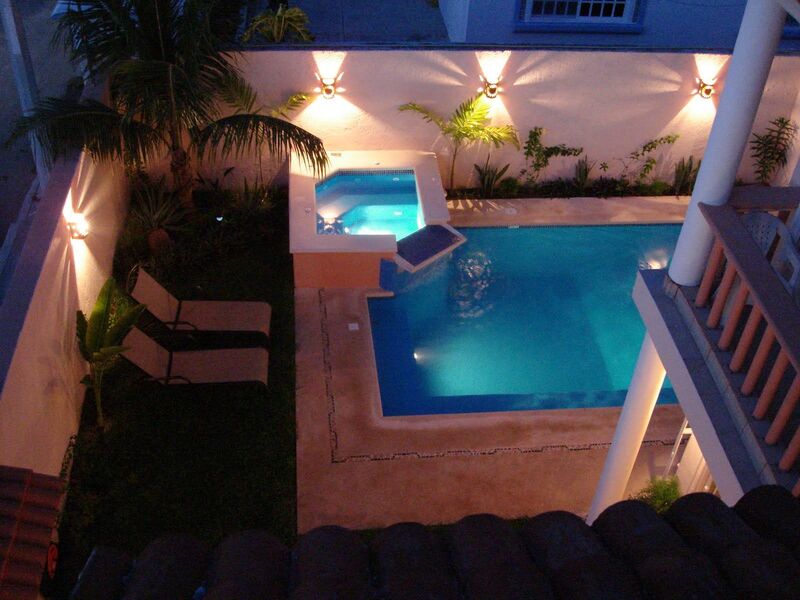
Want to test life in town before you move? Casa Cascada, our three-bedroom home with a private pool, garden and rooftop deck, is a short walk to the waterfront, the market and the plaza. Book direct with no booking-site fees.
Keep planning:
- How to get around Cozumel
- Is Cozumel safe?
- Best time to visit Cozumel
- Money and tipping in Cozumel
- Cozumel real estate directory
- Cozumel services directory
Are you a Cozumel real estate agent, immigration facilitator or relocation service? Reach people planning their move to the island.