Quick answer: Cozumel's three big traditional celebrations are Carnaval, with parades along the waterfront in the days before Lent (February or early March); the Feria de El Cedral, the island's oldest fair, held in the village of El Cedral from late April to early May; and Día de Muertos (Day of the Dead) on November 1 and 2, when families build altars and visit the cemetery. El Cedral itself is a small village about 20 minutes south of downtown San Miguel, where the island was resettled in the 1800s. It has a little Maya temple, a church and a garden plaza, and it's worth a stop any time of year. Most festival events are free and open to visitors; dates shift each year, so check the local calendar before you plan around one.
Cozumel isn't only beaches and reefs. It's a real town of about 90,000 people with its own traditions, and a festival is one of the best ways to see that side of the island. This guide explains El Cedral and its fair, how Cozumel celebrates Carnaval and the Day of the Dead, and what else is on through the year.
Cozumel Festivals at a Glance
| Festival | When | Where | What to expect |
|---|---|---|---|
| Carnaval de Cozumel | The days before Ash Wednesday (February or early March) | Downtown waterfront (Avenida Rafael Melgar) | Parades, costumes, floats, music and street dancing at night |
| Feria de El Cedral | Late April to early May, ending around May 3 | The village of El Cedral, south of town | Religious processions, traditional dances, rodeo, food stalls and fair rides |
| Fiesta de San Miguel | Around September 29 | Downtown San Miguel and its church | The patron saint's feast: masses, music and fireworks |
| Independence Day | Night of September 15 and September 16 | Main plaza and waterfront | The "Grito" at the town hall, music, food and a parade |
| Día de Muertos (Hanal Pixán) | October 31 to November 2 | Homes, the town cemetery, the main plaza | Altars, marigolds, traditional food, catrinas and cemetery visits |
| Christmas and the Virgin of Guadalupe | December 12 to January 6 | Churches and the plaza | Processions, posadas and holiday lights |
What Is El Cedral in Cozumel?
El Cedral is a small farming village in the jungle a few kilometers inland from the southwest coast, about 20 minutes by car or taxi south of downtown. It's where Cozumel's modern history began. The island was almost empty after the Spanish conquest, and in the middle of the 1800s families fleeing the Caste War on the mainland settled here. The village grew into the island's first permanent community before most people moved north to the port of San Miguel.
What you'll find there today:
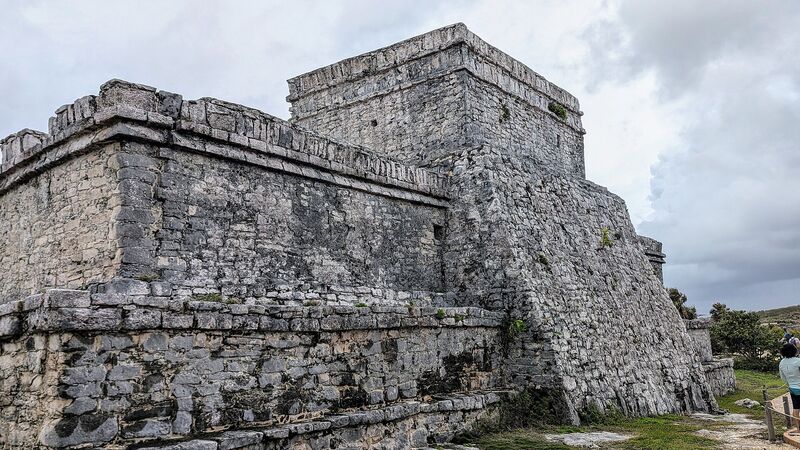
- A small Maya temple, one of the few ancient buildings on the island still standing in a village. It's tiny, with traces of old paint inside, and it sits right beside the church and plaza.
- The church of the Holy Cross (Santa Cruz), the heart of the village's fair.
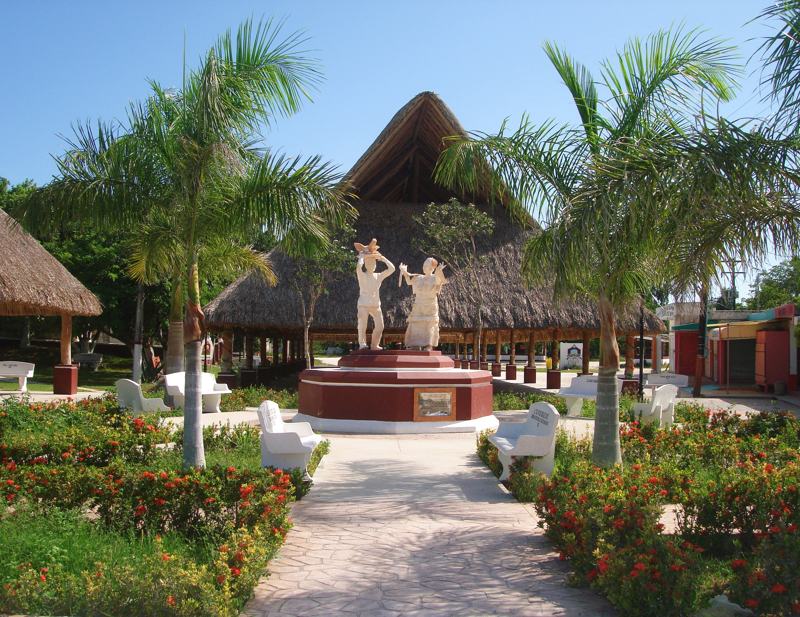
- A garden plaza with palm trees, flowers, palapa-roofed pavilions and statues of a couple in traditional dress.
- Stalls and small shops selling crafts, hammocks, embroidered clothing and snacks, often busiest when island tours stop by.
A visit takes 30 to 60 minutes. Entry to the village is free. It combines well with an afternoon at a west coast beach, the Punta Sur Eco Park at the southern tip, or a drive around the east side. Several Jeep and island tours also stop here; see our Cozumel excursions comparison.
What Is the Feria de El Cedral?
The Feria de El Cedral is Cozumel's oldest festival, held in the village every spring for well over a century. Local tradition says it began with a vow: one of the founding settlers survived the Caste War and promised to honor the Holy Cross every year if he reached safety. His family brought the cross to El Cedral, and the fiesta has been held ever since. It runs for about ten days from late April and builds to its biggest day around May 3, the Day of the Holy Cross.
What happens at the fair:
- Religious processions and masses in honor of the Holy Cross, the reason for the fiesta.
- Traditional dances, including the jarana of the Yucatán and the famous Baile de la Cabeza de Cochino (the pig's head dance), a Maya-rooted tradition in which dancers carry a decorated pig's head in procession.
- Rodeo and horse events in the village arena, plus livestock shows.
- Food stalls with cochinita pibil, panuchos, salbutes, tamales and plenty of cold beer.
- Fair rides, concerts and dancing at night, with local and national bands.
Visitors are welcome. Daytime is calmer and better for families; evenings are crowded and loud. Taxis run from town during the fair, but set the fare and arrange your ride back before you go, and bring cash in pesos for food and rides.
When Is Carnaval in Cozumel?
Carnaval takes place in the days before Ash Wednesday, the start of Lent, so it moves each year between February and early March. In 2027 Ash Wednesday falls on February 10, so expect Carnaval in the days just before that. The Carnaval de Cozumel is one of the oldest carnivals in Mexico, dating back to the late 1800s, and it feels much more local than the bigger carnivals on the mainland.
- Parades: evening parades of floats, costumed dance troupes (comparsas) and music roll along the waterfront on Avenida Rafael Melgar. The biggest are usually on the weekend and the Monday and Tuesday before Ash Wednesday.
- Kings and queens: each year the island crowns a carnival queen and king, and the festivities open with the playful "burning of bad humor" (quema del mal humor) and close with the symbolic burial of Juan Carnaval.
- Where to watch: anywhere along the waterfront downtown. Arrive early for a spot near the main plaza, or book a waterfront restaurant table with a view.
- Tips: it's free, family-friendly in the early evening and busy late at night. Book your hotel early if your trip overlaps the main parade nights.
How Is Day of the Dead Celebrated in Cozumel?
Día de Muertos is a time to welcome home the souls of loved ones, not a sad or spooky holiday. In the Yucatán peninsula, including Cozumel, it's also known by its Maya name, Hanal Pixán, "food of the souls". Families build altars at home with photos of the people they've lost, candles, bright orange marigolds (cempasúchil), sugar skulls and the favorite food and drink of the departed.
- October 31 and November 1 are traditionally for the souls of children, and November 2 for adults.
- Mucbipollo: the signature dish of Hanal Pixán is a large chicken and pork tamal wrapped in banana leaves and baked in an underground pit. Bakeries and home cooks sell it around November 1 and 2. Try it if you see it.
- The cemetery: families visit the town cemetery to clean and decorate the graves with flowers and candles. Visitors can walk through respectfully; ask before taking photos of people.
- In town: the main plaza and schools usually host altar displays, catrina costume contests and music in the days around November 1 and 2, and many restaurants and hotels set up their own altars.
- Halloween is celebrated too, especially by kids and in the bars on October 31, so the whole week has a festive feel.
If you're on the island for Day of the Dead, check with your hotel or the town's social media for the year's events. It's a beautiful, very local time to visit, and it falls in the quiet season, so prices are lower.
What Other Events Happen in Cozumel?
- Semana Santa (Holy Week, March or April): Mexican families flood the island and the beaches, with processions in the churches. Book early.
- The Sacred Mayan Journey (Travesía Sagrada Maya, usually late May or June): hundreds of paddlers in traditional Maya canoes cross from the mainland to Cozumel, re-creating the ancient pilgrimage to the goddess Ixchel, and are welcomed on the island's shore with a ceremony. Learn more about that history in our San Gervasio guide.
- Billfish fishing tournaments (spring): the island hosts sport-fishing tournaments when sailfish and marlin are running.
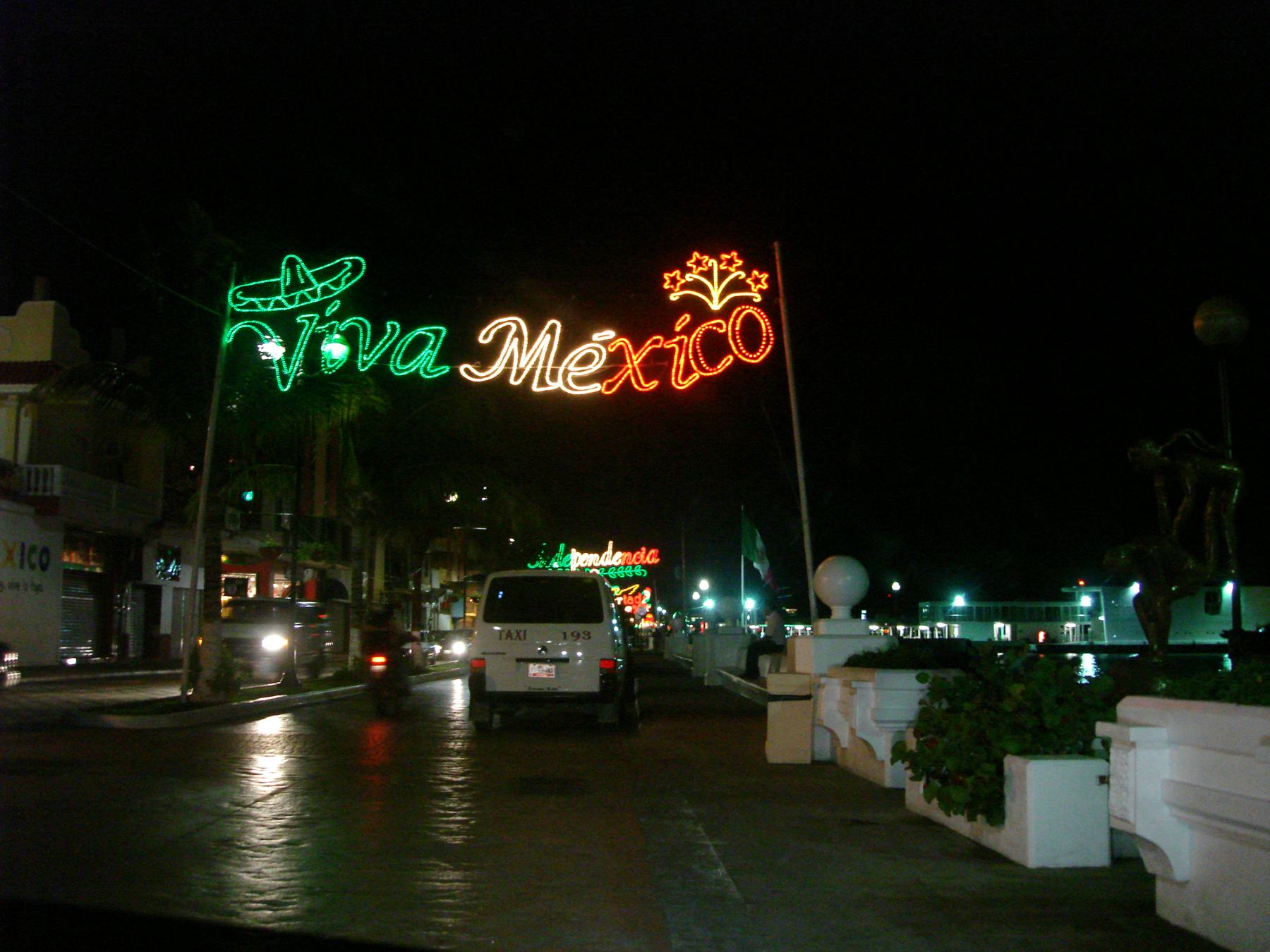
- Independence Day (September 15 and 16): the mayor gives the "Grito de Dolores" from the town hall balcony at about 11 p.m. on the 15th, followed by music and fireworks, and there's a parade on the 16th. The waterfront is lit up with Viva México signs all month.
- Fiesta de San Miguel (around September 29): the island's town is named after its patron saint, Saint Michael the Archangel, and the feast brings masses, music and fireworks downtown.
- Ironman Cozumel and other races (usually November): triathletes swim the clear water off the west coast, then bike and run around the island, with road closures on race day.
- Christmas and New Year (December 12 to January 6): processions for the Virgin of Guadalupe on December 12, posadas, holiday lights on the plaza and fireworks on New Year's Eve. Three Kings Day on January 6 brings the rosca de reyes sweet bread.
Planning around the weather as well? Our best time to visit Cozumel guide covers the weather, crowds and prices month by month.
Tips for Visiting During a Festival
- Check this year's dates. Carnaval and Holy Week move with the church calendar, and the town announces programs only a few weeks ahead.
- Book early for Carnaval, Holy Week and Christmas, when Mexican visitors fill the island.
- Carry cash in pesos for food stalls, rides and taxis. Our money guide explains where to get them.
- Agree on taxi fares before you get in, and arrange a ride back from El Cedral at night. See our getting around guide.
- Be respectful at religious processions and in the cemetery, and ask before photographing people.
- Cruise passengers: most festival events happen in the evening after ships leave, so you're more likely to catch them if you stay on the island.
Get Our Cozumel Insider Newsletter
New guides, local tips, island news and upcoming events in your inbox. One email a week, no spam. Sign up and get our free 18-page Cozumel Insider's Guide (PDF) right away.
Frequently Asked Questions
What is El Cedral in Cozumel?
El Cedral is Cozumel's oldest village, about 20 minutes south of downtown San Miguel. It was settled in the 1800s by families fleeing the Caste War on the mainland. It has a small Maya temple, the church of the Holy Cross and a garden plaza, and it hosts the island's traditional spring fair.
When is the El Cedral festival?
The Feria de El Cedral runs for about ten days from late April to early May, building to its main day around May 3, the Day of the Holy Cross. Exact dates and the program are announced each spring.
When is Carnival in Cozumel?
Carnaval takes place in the days before Ash Wednesday, so it falls in February or early March. The main parades are usually on the weekend and the Monday and Tuesday before Ash Wednesday, along the downtown waterfront.
Does Cozumel celebrate Day of the Dead?
Yes. From October 31 to November 2 families build altars with marigolds, candles, photos and food, and visit the town cemetery. In the Yucatán it's also called Hanal Pixán, and the signature dish is mucbipollo, a large tamal baked in an underground pit.
Can tourists go to Day of the Dead events in Cozumel?
Yes. Altar displays, catrina contests and music in the main plaza are open to everyone, and visitors can walk respectfully through the cemetery. Ask before photographing people, and don't touch the altars or offerings.
Is El Cedral worth visiting?
Yes, as a short stop on a drive around the south of the island. Allow 30 to 60 minutes to see the small Maya temple, the church and the plaza, and combine it with Punta Sur or a west coast beach. During the spring fair it's the liveliest place on the island.
How do you get to El Cedral from downtown Cozumel?
By taxi, rental car or scooter. It's about 20 minutes south of downtown, a short drive inland from the coast road. Agree on the taxi fare before you leave and arrange a ride back, especially at night.
Are Cozumel festivals free?
Most are. Carnaval parades, the plaza events for Day of the Dead and Independence Day, and entry to the El Cedral fair are free. You'll pay for food, drinks, fair rides and some concerts.
Stay for the Celebrations
The best festival moments happen after dark, long after the cruise ships sail. Casa Cascada, our three-bedroom home with a private pool, is about ten minutes by taxi from the waterfront parades and a short drive from El Cedral. Book direct with no booking-site fees.
Keep planning:
- The best things to do in Cozumel
- The best time to visit Cozumel
- San Gervasio Maya ruins on Cozumel
- Cozumel nightlife
- Cozumel business directory
Hosting an event or festival special in Cozumel? Get it in front of visitors planning their trip.