Some links in this guide are affiliate links. If you buy through them, Blog Cozumel may earn a small commission at no extra cost to you. It helps keep the guides free.
Quick answer: Yes, swimming in Cozumel is generally safe on the west side of the island, where the water faces the mainland and is usually flat, clear and shallow near shore. The beaches near the cruise piers, the beach clubs south of town and Chankanaab Park are all calm-water swimming spots. The east side is different: it faces the open Caribbean, has strong rip currents and big waves, and most of it has no lifeguards. Swim there only in sheltered coves like Chen Río, only on calm days, and never when a red or black flag is flying.
Most problems in Cozumel's water come from three things: swimming on the wrong side of the island on a rough day, drifting too far out from shore on the west side, and boat traffic near the reefs. This guide covers each one, plus the beach flags, marine life and the calmest places to swim.
Swimming Safety in Cozumel at a Glance
| Where | Usual conditions | Main risks | Our advice |
|---|---|---|---|
| West side beach clubs, south of town | Calm, clear, shallow near shore | Boat traffic, current further out, rocky entries | Swim inside marked areas; stay close to shore |
| Chankanaab Park | Calm, sheltered | Few; follow park rules | One of the easiest places for beginners and kids |
| Town and north hotel zone (Playa Casitas, Playa San Juan) | Calm, shallow | Rocks, boats, wind on some afternoons | Water shoes; watch for kitesurfers and boats |
| Chen Río (east side) | Sheltered pool behind a rocky reef | Rough water outside the cove | Swim only inside the cove, only on calm days |
| Punta Chiqueros (east side) | Often calmer inside the bay | Surf and current at the mouth of the bay | Stay in the shallow middle of the bay |
| Open east coast (San Martín, Punta Morena, Mezcalitos) | Surf, wind, strong currents | Rip currents, waves, no lifeguards on most beaches | Look, walk and wade at most; don't swim |
Conditions change with the wind and the season. A beach that's calm in the morning can be rough by afternoon, especially when a cold front (a "norte") blows through in winter.
Is the Water Calm in Cozumel?
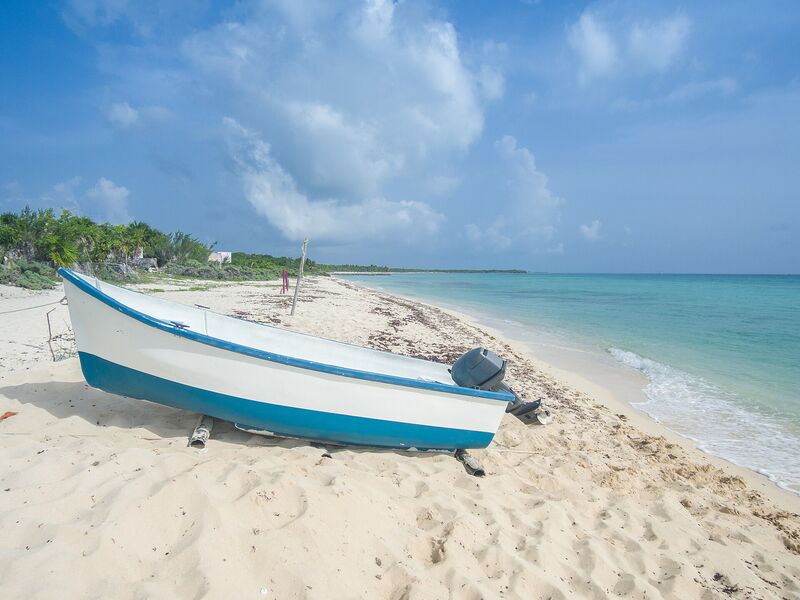
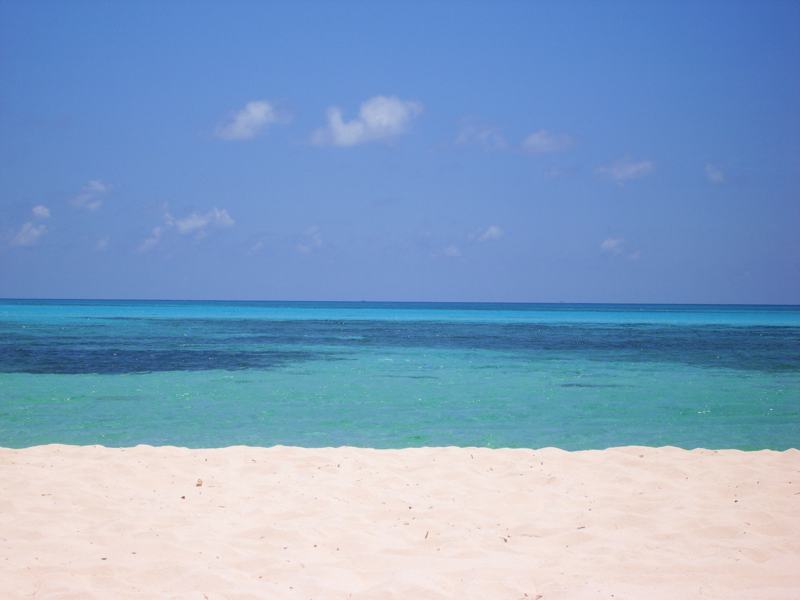
On the west side, usually yes. The island sits about 20 km off the mainland, and the trade winds blow from the east, so the west coast is in the island's wind shadow. On most days the water there is flat or gently rippled, with visibility you can see the bottom through. That's why nearly all the beach clubs, dive shops and snorkel spots are on the west side.
There are exceptions. In winter, nortes (cold fronts from the north) can bring wind and chop to the west side for a day or two, and the port captain sometimes closes the port to small boats. In hurricane season, from June to November, a passing storm can make every beach unsafe; our hurricane season guide explains what to expect.
What Do the Beach Flag Colors Mean in Cozumel?
Cozumel, like the rest of the Mexican Caribbean, uses colored flags at lifeguard stations and some public beaches:
| Flag | Meaning | What to do |
|---|---|---|
| Green | Calm conditions | Swim, but still watch the water |
| Yellow | Moderate waves or currents | Swim with caution; stay close to shore |
| Red | Dangerous conditions | Don't swim |
| Black | Beach closed to swimmers | Stay out of the water |
| Purple | Dangerous marine life, such as jellyfish | Take care, or don't swim |
Many beaches have no flag at all. No flag doesn't mean safe; it usually means no lifeguard. Judge the water yourself: if the waves are breaking hard, the water is churned up, or locals are staying out, so should you.
Rip Currents on Cozumel's East Side
A rip current is a narrow, fast channel of water flowing away from the beach. It can pull even strong swimmers out quickly. Cozumel's east coast, with its surf, reefs and gaps in the rocks, is where rip currents form, and lifeguards there have had to rescue swimmers who went out on rough days.
How to spot one: a channel of darker, calmer-looking water between breaking waves, foam or seaweed moving steadily out to sea, or a gap in the line of breaking waves.
If you're caught in one:
- Stay calm and don't fight it. Swimming straight back to shore against the current wears you out.
- Swim parallel to the shore until you're out of the pull, then angle back to the beach.
- If you can't, float or tread water, and wave and shout for help.
The U.S. National Weather Service rip current page has diagrams worth a look before your trip. If someone else is caught, don't swim out after them; call for a lifeguard or throw them something that floats.
Currents on the West Side
The west side doesn't have surf, but it does have current. A strong northward current runs past the reefs offshore, which is what makes Cozumel world famous for drift diving. Close to the beach it's usually weak, but it gets stronger the further out you go.
- Stay close to shore when snorkeling from the beach, and start your swim up-current so the water carries you back toward where you got in.
- Use a float or snorkel vest if you're not a strong swimmer. A bright snorkel vest also makes you easier for boats to see.
- Snorkel the deeper reefs from a boat, with a guide who will follow you, rather than swimming out from shore. See the tours and diving directory for operators, and our snorkeling guide for the easy shore spots.
Watch Out for Boats
Dive boats, snorkel boats, jet skis and water taxis run along the west coast all day. Boat drivers are watching for divers' flags, not for a snorkeler's head in the water. Swim inside buoyed swimming areas where they exist, stay close to shore, don't snorkel in boat channels or near piers, and wear something bright.
Get Our Cozumel Insider Newsletter
New guides, local tips, island news and upcoming events in your inbox. One email a week, no spam. Sign up and get our free 18-page Cozumel Insider's Guide (PDF) right away.
Are There Sharks, Jellyfish or Other Dangers in Cozumel's Water?
- Sharks: nurse sharks and the occasional reef shark live around Cozumel, and divers love to see them. Shark bites on swimmers in Cozumel are extremely rare. Don't touch or feed any marine life.
- Jellyfish and "sea lice": some years, mostly in spring and summer, tiny jellyfish larvae cause an itchy rash. A rash guard helps; rinse with seawater (not fresh water) and use an over-the-counter anti-itch cream if you're stung.
- Fire coral: mustard-colored coral that stings if you brush it. Another reason to look but never touch.
- Sea urchins: black spiny urchins live on rocky entries. Wear water shoes and watch where you put your feet.
- Barracuda: they look fierce and follow snorkelers out of curiosity, but they're not a danger. Take off shiny jewelry before you swim.
- Crocodiles: they live in the island's lagoons and mangroves, such as at Punta Sur, not on the swimming beaches. Never swim in a lagoon.
Our Cozumel wildlife guide covers what you might see, in and out of the water.
Is Cozumel's Water Clean?
Cozumel's west-side water is famously clear, and the reefs are protected as a national marine park. Mexico's health authorities test the water at popular beaches before the busy holiday seasons. The one thing that sometimes spoils a swim is sargassum, a floating seaweed that can pile up on beaches between spring and late summer, mostly on the east side. It isn't dangerous to swim near, but rotting piles on the sand smell and can irritate skin. See our sargassum guide.
The Calmest Beaches to Swim in Cozumel
- Chankanaab Park: sheltered, shallow and organized, with life jackets and lifeguards. Check Cozumel Parks for hours, or read our Chankanaab guide.
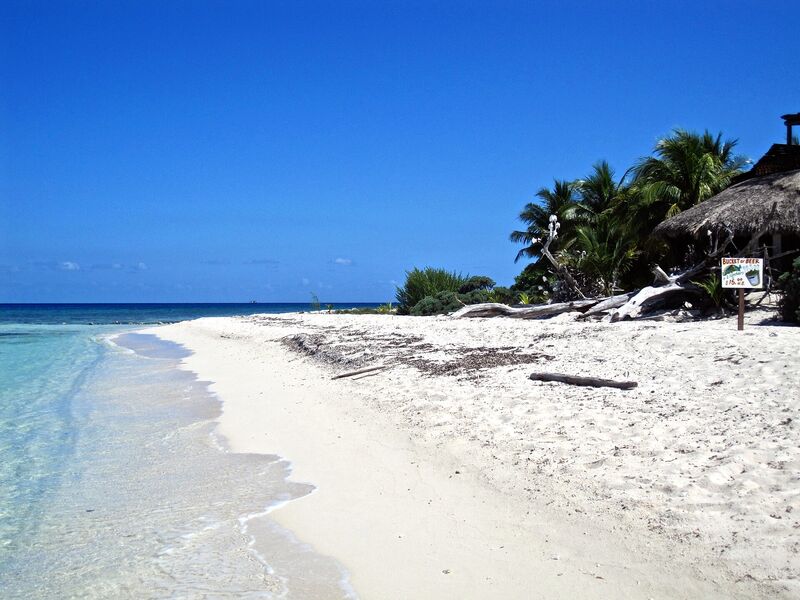
- The big beach clubs near the piers: Playa Mia, Paradise Beach, Mr. Sancho's and Nachi Cocom have shallow sandy entries and roped-off swimming areas. See our beach clubs guide.
- Playa Palancar and Playa San Francisco: calm, soft-sand beaches toward the south end of the west coast.
- Playa San Juan: calm, shallow water in the north hotel zone.
- Chen Río: the safest swim on the east side, inside the cove, on calm days.
Our best beaches in Cozumel guide compares them all.
Swimming Safety Tips From Locals
- Never swim alone, and keep children within arm's reach. Most Cozumel beaches have no lifeguard.
- Don't drink and swim. All-inclusive bracelets and hot sun make this the most common mistake.
- Check the wind. A strong east wind means a rough east side; a strong north or west wind can make the west side choppy.
- Ask a local. Beach bar staff and club waiters know which days are safe for swimming.
- Know your emergency number. Dial 911 anywhere in Mexico. Our is Cozumel safe? guide has more on hospitals and emergencies.
- Get travel insurance that covers water activities, especially if you dive or snorkel from boats. See travel insurance options.
Frequently Asked Questions
Is it safe to swim in Cozumel?
Yes, on the west side of the island, where the water is usually calm, clear and shallow near shore. The east side faces the open Caribbean and has strong rip currents and big waves, so swim there only in sheltered coves like Chen Río, and only on calm days.
Which side of Cozumel is best for swimming?
The west side. It faces the mainland and is sheltered from the trade winds, so the water is calm most days. Nearly all of Cozumel's beach clubs and snorkel spots are on the west side for that reason.
Is the east side of Cozumel dangerous for swimming?
Often, yes. The east coast has surf, strong rip currents and few lifeguards. It's beautiful for walking and sightseeing, but most of it is too rough to swim, except in protected coves like Chen Río and inside the bay at Punta Chiqueros on calm days.
What do the beach flags mean in Cozumel?
Green means calm conditions, yellow means swim with caution, red means dangerous conditions and no swimming, and black means the beach is closed to swimmers. A purple flag warns of dangerous marine life such as jellyfish. Many beaches have no flag, which usually means there's no lifeguard.
Are there sharks in Cozumel?
Yes, mostly harmless nurse sharks and occasional reef sharks, which divers often see. Shark bites on swimmers in Cozumel are extremely rare. Don't touch or feed any marine life.
Are there jellyfish in Cozumel?
Sometimes, mostly in spring and summer, when tiny jellyfish larvae can cause an itchy rash called sea lice. A rash guard helps prevent it. Rinse stings with seawater, not fresh water.
Is Cozumel good for weak swimmers or kids?
Yes, at the right beaches. Chankanaab Park and the big beach clubs near the cruise piers have calm, shallow water and roped-off swimming areas. Use a life jacket or snorkel vest and stay close to shore.
Are there lifeguards at Cozumel beaches?
Only at some. Chankanaab Park, some beach clubs and a few busy public beaches have lifeguards, but many beaches, especially on the east side, have none. Never swim alone.
Keep planning:
- Best beaches in Cozumel
- Free public beaches in Cozumel
- Cozumel beach clubs
- Best snorkeling in Cozumel
- Cozumel's east side guide
- Is Cozumel safe?
- Cozumel with kids
Run a beach club, dive shop or snorkel tour in Cozumel? Reach visitors planning their time in the water on Blog Cozumel.
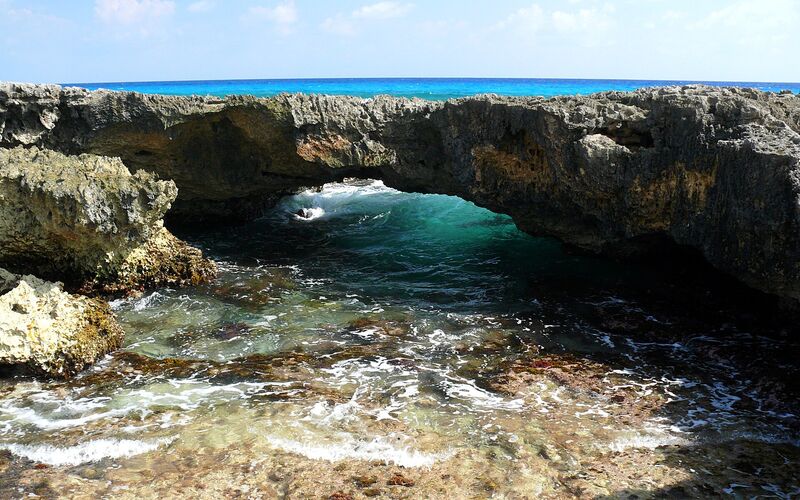
Top photo: waves surging through a rock arch on Cozumel's windward east coast. "Cozumel Windward Reef" by Ken Thomas, via Wikimedia Commons, released into the public domain. Resized.