Quick answer: Two pieces of good news for Cozumel's sea life. On November 20, 2026, the island's parks foundation (FPMC) wrapped up the sea turtle season at its Punta Sur turtle camp with 643 nests protected and 5,363 hatchlings released into the sea, most of them green turtles. Its volunteers also pulled about 1,577 kg (3,500 lb) of trash off the beaches. And at Chankanaab Park, the same foundation's coral restoration program is caring for about 1,500 coral fragments, mostly the endangered elkhorn coral, and invites volunteers aged 15 and up who can snorkel or dive to help clean the underwater nurseries.
The 2026 turtle season in numbers
The Fundación de Parques y Museos de Cozumel (FPMC), which runs Punta Sur and Chankanaab, presented its end-of-season figures for the Punta Sur turtle camp on November 20, as reported by El Heraldo de México and other Quintana Roo media.
| Nests | Hatchlings released | |
|---|---|---|
| Green turtle (tortuga blanca, Chelonia mydas) | 565 | 4,623 |
| Loggerhead (caguama, Caretta caretta) | 78 | 740 |
| Total at Punta Sur | 643 | 5,363 |
The season started on April 25, when a biologist on a dawn beach patrol found the first loggerhead nest of the year at Punta Sur. Nesting runs from about May to September, and the last nests hatch in October and early November. The camp's team patrols the beaches at night, marks each nest, moves eggs to a protected hatchery when a nest is at risk from high tides or sargassum, and releases the hatchlings at dusk.
These numbers are only for Punta Sur, on the island's southern tip. The town's ecology department runs a second camp, San Martín, on the east coast, and reports its figures separately, so the island's total is higher. Nest counts also swing a lot from year to year, because green turtles usually nest every two or three years.
Chankanaab's coral restoration program
Inside Chankanaab Park, south of town, the FPMC runs a long-term project to bring back the corals that once covered the shallow reef. According to the foundation's updates in October:
- The team maintains about 1,500 coral fragments growing on underwater "tree" and grid structures in the park, set up with the local group Oceanus A.C.
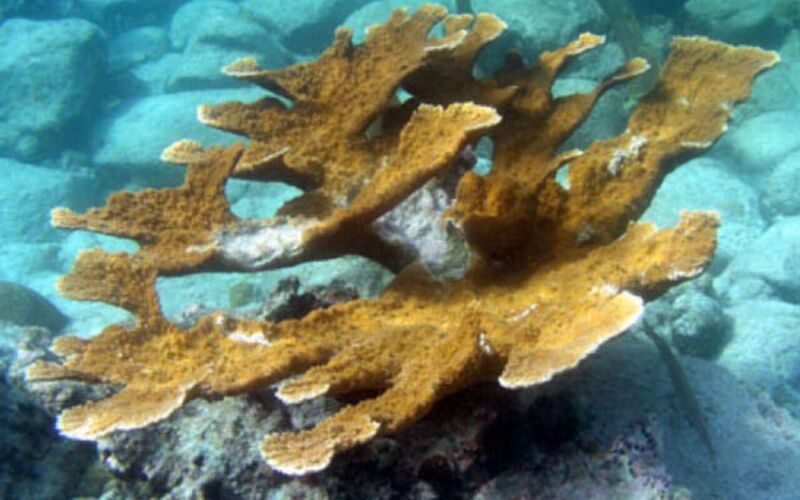
- The main focus is elkhorn coral (Acropora palmata), a fast-growing, branching coral that used to build much of the Caribbean's shallow reefs and is now endangered. The team also monitors spawning of mountainous star coral (Orbicella faveolata).
- Divers and snorkelers clean algae and debris off the structures and the coral so the fragments can keep growing, before they are planted back on the reef.
- In April the foundation reported new young coral colonies on the site and clearer water after it cut down sediment and trash, both signs that the reef is recovering.
How to volunteer
- Who can join: anyone 15 or older who is comfortable snorkeling or has a scuba certification. Good buoyancy matters, so you don't bump the coral.
- When: weekday mornings, usually Tuesdays (some announcements also list Thursdays), from about 9 am to noon, starting at the park's conservation and education center.
- How to sign up: call or send a WhatsApp message to the foundation at 987 112 9791 to book a place and confirm the day. Spaces are limited.
- Visiting the park anyway? Chankanaab's snorkel area is one of the easiest on the island. See our Chankanaab Park guide and the Cozumel Parks site for hours and prices.
What visitors can do for turtles and coral
- Use reef-safe sunscreen, or better, cover up with a rash guard.
- Never touch or stand on coral, and keep your fins off the bottom.
- Give turtles space in the water: don't chase, touch or feed them.
- On nesting beaches in summer, keep lights off at night, fill in holes and take your trash with you.
- Our Cozumel wildlife guide explains when and where to see turtles, and our Punta Sur guide covers the park where the turtle camp is.
Also in Cozumel news
- IRONMAN Cozumel: Lisa Perterer won the women's race for the second year running, and Youri Keulen won the men's race. Full results.
- Cruise passenger fee: the state trust funded by cruise passengers has approved 626 million pesos for 11 Cozumel projects. Where the money goes.
- Reef closures: San Francisco, San Francisco Shallows, Santa Rosa and Santa Rosa Wall stay closed to diving and snorkeling until November 30. See which dive sites are closed.
Questions and Answers
How many sea turtle nests were there in Cozumel in 2026?
The Punta Sur turtle camp, run by Cozumel's parks foundation (FPMC), protected 643 nests in 2026: 565 green turtle nests and 78 loggerhead nests. A second camp run by the town, San Martín, reports its numbers separately.
How many baby turtles were released in Cozumel in 2026?
The Punta Sur camp released 5,363 hatchlings in 2026: 4,623 green turtles and 740 loggerheads.
When is sea turtle season in Cozumel?
Turtles nest from about May to September, and hatchlings emerge from about July to early November. In 2026 the first nest was found at Punta Sur on April 25.
Can I volunteer to restore coral in Cozumel?
Yes. Cozumel's parks foundation (FPMC) runs coral maintenance sessions at Chankanaab Park, usually on Tuesday mornings. Volunteers must be 15 or older and able to snorkel or hold a scuba certification. Book by calling or sending a WhatsApp message to 987 112 9791.
What coral is being restored at Chankanaab?
Mainly elkhorn coral (Acropora palmata), an endangered branching coral that once built much of the Caribbean's shallow reefs. About 1,500 fragments are growing on underwater structures in the park.
More Cozumel news and guides:
Have Cozumel news or an event to share? Tell us, or promote it to visitors planning their trip.
Top photo: an elkhorn coral colony ten years after it was transplanted as part of a restoration project (U.S. Virgin Islands, not Cozumel). "Acropora palmata 10 años transplante", U.S. Geological Survey, via Wikimedia Commons, public domain. Cropped and resized.